
When your iPhone’s charging port starts acting like a diva, refusing to connect with anything but the finest cables, you know it’s time for a reality check. The frustration of a dead phone can feel like a mini-crisis, especially when your social media followers are waiting for that next masterpiece selfie. But before you start Googling “how to fix an iPhone charging port with duct tape,” let’s talk about the real cost of getting it repaired.
Fixing an iPhone charging port isn’t just about the price tag; it’s an investment in your digital life. Whether you’re considering a DIY approach or heading to a professional, understanding the costs involved can save you from those unexpected surprises. So, let’s dive into the nitty-gritty of what it really takes to bring your beloved device back to life without breaking the bank.
Understanding iPhone Charging Port Issues
Malfunctioning iPhone charging ports can severely impact daily activities. Addressing these issues quickly is vital for users relying on their devices for crucial tasks.
Common Symptoms of Charging Port Problems
Charging port problems often show specific signs. Devices might not charge at all. Sometimes, users experience intermittent charging. Loose connections can also lead to inconsistent power flow. In some cases, debris or lint can block the port, hindering proper use. Users might notice overheating during charging as another concerning symptom. Observing these issues early can prevent further damage and costly repairs.
Diagnosing the Issue
Diagnosing charging port issues requires thorough examination. Starting with visual inspection can reveal dirt or debris inside the port. Users can gently clean the charging port with soft tools like a toothbrush or a toothpick. Testing with different charging cables helps confirm whether the issue lies with the cable or the port. Plugging the device into a wall outlet instead of a computer can also identify charging discrepancies. Listening for unusual sounds during charging may indicate more profound problems. Identifying the root cause accurately ensures effective and timely solutions.
Cost Factors for Repairing iPhone Charging Ports
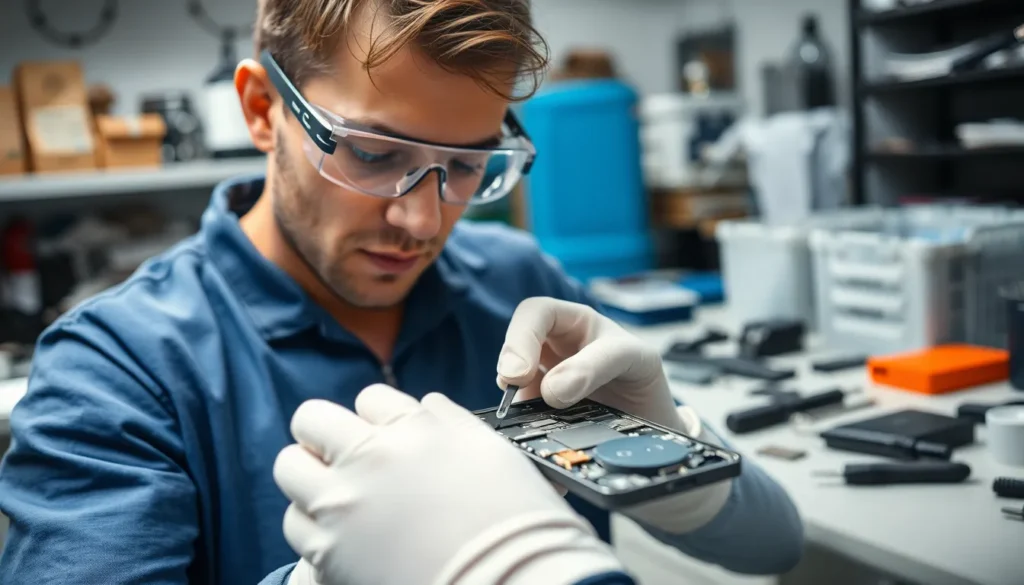
Understanding the costs involved in repairing iPhone charging ports involves various factors. Each aspect can influence the total expense of a repair service or part replacement.
Type of Repair Service
Repair options vary significantly. Customers can choose between authorized service providers, third-party repair shops, or DIY methods. Authorized service providers typically charge more due to their expertise and use of original parts. Third-party shops often offer competitive prices but may use generic components. DIY repairs sound appealing and cost-effective but may risk further damage without proper skills or tools.
Parts and Labor Costs
Both parts and labor contribute to the overall cost significantly. Original charging port replacements generally cost between $50 and $150, while aftermarket parts can range from $20 to $60. Labor charges, on average, vary from $30 to $100, depending on the repair shop’s location and expertise. Choosing high-quality parts ensures reliability, though they may lead to higher initial costs.
Warranty and AppleCare Considerations
Warranties can greatly affect repair costs. Devices under Apple’s limited warranty or AppleCare protection often qualify for reduced service fees. AppleCare may cover repairs entirely, if the malfunction arises from manufacturing defects. Knowing warranty coverage is crucial, as unexpected charges may arise for out-of-warranty repairs.
DIY vs. Professional Repair
Deciding between DIY repairs and professional help for an iPhone charging port issue can be challenging. Evaluating the options involves weighing cost, skill level, and time commitment.
Pros and Cons of DIY Repairs
DIY repairs offer several advantages. Cost savings stand out, with parts often available at lower prices. A person can feel accomplished after successfully fixing their device. However, risks arise with this approach. Mistakes during repairs can lead to further damage, escalating costs. A lack of experience might also result in incomplete fixes. First-time users might find the necessary tools and parts difficult to source. The importance of thorough research before starting DIY projects cannot be overstated.
When to Seek Professional Help
Choosing professional help ensures expertise and quality. Trained technicians can accurately diagnose issues and perform repairs efficiently. Often, they provide warranties on their work, offering peace of mind. It’s particularly advisable to seek help if a device displays complex problems, as these might exceed basic skills. Consider timelines, too; professionals often complete repairs faster than an inexperienced individual. For those concerned about maintaining the warranty, going to authorized repair centers preserves coverage. The long-term benefits of professional services outweigh initial costs in many cases.
Average Costs for iPhone Charging Port Repair
Repair costs for iPhone charging ports vary significantly based on the model and the repair method chosen. Understanding these costs helps users make informed decisions.
Cost Estimates by iPhone Model
Cost estimates depend on specific iPhone models. For example, repairs for the iPhone 12 typically range from $50 to $90, while older models like the iPhone 8 might cost between $40 and $80. Newer models such as the iPhone 13 Pro can incur costs from $70 to $120. Prices can change based on location and the service provider used.
Comparison of Repair Options
When comparing repair options, authorized service providers generally charge more but offer warranty-backed services. Third-party repair shops often provide lower prices, typically ranging from $30 to $100, yet they might use aftermarket parts. DIY repairs can appear cost-effective, usually costing less than $50, but they carry risks such as potential damage and warranty voiding. Prioritizing quality over cost leads to better long-term outcomes.
Addressing iPhone charging port issues promptly can save users from more extensive damage and higher repair costs down the line. Whether choosing a DIY approach or seeking professional assistance, understanding the associated costs helps in making informed decisions. While the allure of saving money with DIY repairs exists, the risks involved may outweigh the benefits for many users. Professional services often provide peace of mind and ensure quality repairs, making them a worthwhile investment. Ultimately, prioritizing quality over cost will lead to better long-term outcomes and a more reliable device.

