
In today’s tech-driven world, hardware resources are the unsung heroes of our digital lives. They’re the sturdy backbone that supports everything from your favorite video games to those endless Zoom calls. Without them, your high-tech dreams would crash faster than a toddler on a sugar rush.
Overview of Hardware Resources
Hardware resources refer to the physical components that enable a computer system to function effectively. These elements play a vital role in carrying out tasks, managing data, and processing information. Key hardware resources include the central processing unit (CPU), memory (RAM), storage devices, and peripheral devices.
The CPU acts as the brain of the computer, executing instructions and managing operations. Without an efficient CPU, overall system performance suffers. Memory provides the necessary space for the short-term storage of active data, allowing for quick access and processing. Various types of storage devices, such as solid-state drives (SSD) and hard disk drives (HDD), store data permanently, ensuring that files remain accessible after shutdowns.
Peripheral devices enhance the user experience. Monitors display visual output, while keyboards and mice facilitate user interaction. Network interface cards connect computers to the internet, enabling online communication and data sharing.
Different applications require varying hardware resource configurations. Gaming, for instance, demands high-performance graphics cards and substantial RAM to ensure fluid gameplay. Video conferencing applications benefit from high-quality microphones and webcams, allowing for clear communication.
Proper management of hardware resources directly influences system efficiency. Upgrading components like RAM or SSDs can significantly boost performance. Organizations often assess their hardware needs based on specific use cases to optimize their technology infrastructure.
Monitoring and maintaining hardware resources ensures longevity and reliability. Regular checks can prevent potential failures and enhance the user experience. Identifying the right hardware components remains essential for achieving desired performance levels while meeting the demands of modern technology.
Types of Hardware Resources
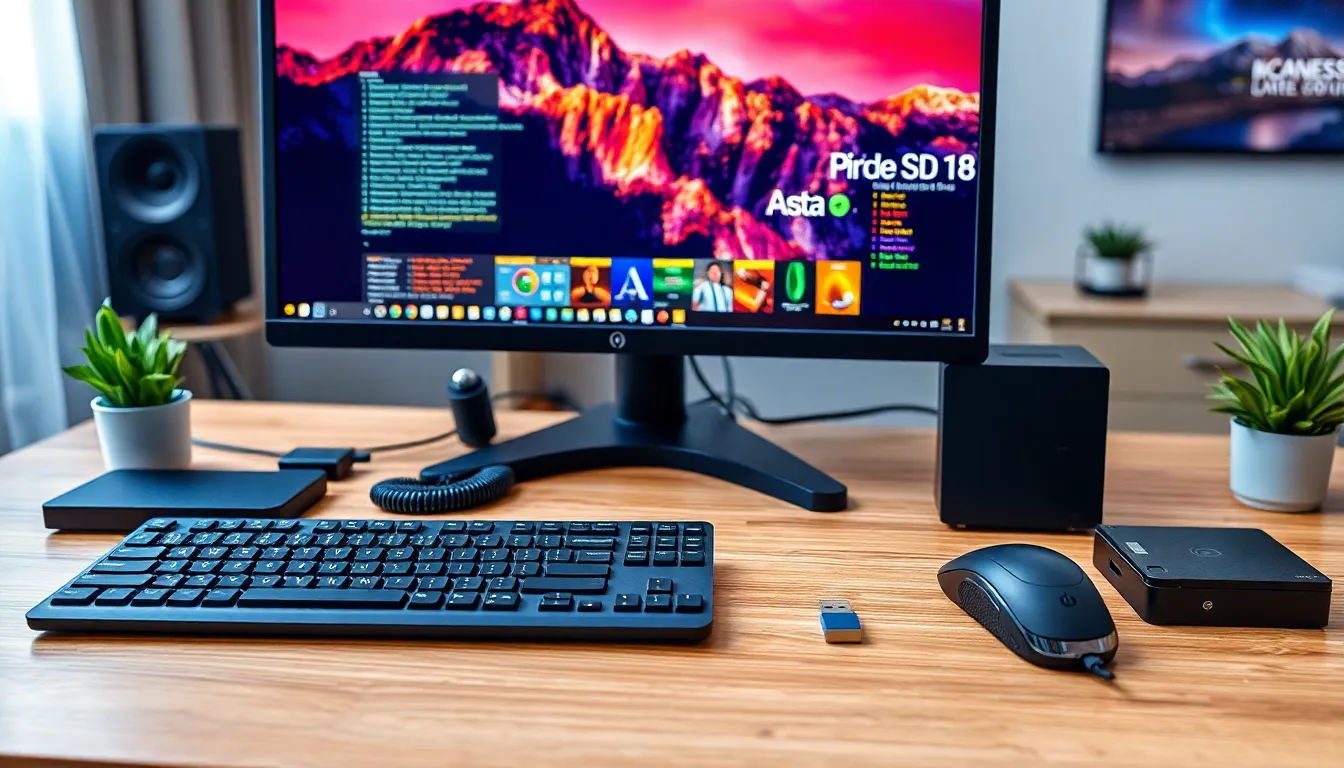
Hardware resources can be categorized into three main types: input devices, output devices, and storage devices. Each type plays a unique role in enhancing a computer system’s functionality.
Input Devices
Input devices allow users to interact with a computer. Examples include keyboards, mice, and scanners. They convert user actions and commands into data that the computer can process. Keyboards enable text input through various key presses. Mice facilitate navigation across the screen by translating physical movements into digital commands. Scanners convert physical documents into digital formats, enhancing document accessibility.
Output Devices
Output devices present processed data to users, making information visible or audible. Monitors, printers, and speakers serve this purpose effectively. Monitors display visual information, enabling users to see graphics and text. Printers create physical copies of documents for tangible use. Speakers produce sound, providing audio feedback for multimedia applications, such as videos and games.
Storage Devices
Storage devices secure data for long-term use. Solid-state drives (SSD), hard disk drives (HDD), and external storage units represent common examples. SSDs offer quicker data access speeds compared to traditional HDDs, making them ideal for performance-heavy applications. HDDs provide larger capacity at a lower cost, suitable for archival purposes. External storage units, like USB flash drives, enable easy data transfer between devices, ensuring portability.
Importance of Hardware Resources
Hardware resources play a crucial role in determining the performance and usability of technology. Critical components form the backbone of various applications and tasks.
Performance and Efficiency
High-quality hardware resources lead to enhanced performance and efficiency in computing environments. Systems with robust central processing units (CPUs) handle tasks faster, while ample random access memory (RAM) ensures smooth multitasking. High-performance graphics cards improve gaming experiences by delivering superior visuals. An efficient configuration boosts productivity across applications, minimizing downtime during crucial operations. Regular upgrades to hardware resources adapt to evolving software demands, increasing lifespan and maintaining system relevance. Organizations benefit significantly when tailored hardware matches specific functions, leading to optimized workflows and better resource allocation.
Cost Considerations
Investing in hardware resources entails balancing performance needs with budget constraints. Higher quality components often come at a premium price, but they can yield long-term savings through improved durability and reduced failure rates. Economic choices such as solid-state drives (SSDs) may cost more upfront but offer faster data access, lowering operational delays. Organizations assess the total cost of ownership, factoring in initial investment, maintenance, and potential replacement expenses. Prioritizing hardware that aligns with operational needs ensures cost-effective solutions, enabling efficient resource management without overspending. Careful planning allows businesses to achieve optimal configurations at sustainable costs.
Managing Hardware Resources
Effective management of hardware resources plays a key role in optimizing performance and usability in technology systems. Organizations focus on two primary aspects: resource allocation and maintenance and upgrades.
Resource Allocation
Resource allocation involves strategically distributing hardware resources to meet application demands. Various applications require tailored specifications, such as gaming setups that utilize powerful graphics cards and substantial RAM for better performance. Video conferencing applications, on the other hand, depend on high-quality microphones and webcams to ensure clear communication. Regular assessments of hardware needs enable organizations to match resources with specific use cases. This approach minimizes bottlenecks and enhances system efficiency, supporting seamless user experiences across diverse tasks.
Maintenance and Upgrades
Maintenance and upgrades hold critical importance in sustaining hardware performance. Regular checking of hardware components, including CPUs and storage devices, ensures consistent functionality. Timely upgrades significantly boost system capabilities, allowing users to handle evolving software requirements effectively. Investing in high-quality components leads to improved durability and reduces failure rates. Balancing performance needs with budget constraints remains vital; organizations often find that proactive upgrades safeguard against costly downtimes. Overall, a systematic approach to maintenance and upgrades maximizes hardware lifespan while enhancing productivity.
Hardware resources are the backbone of modern technology. Their effective management and strategic upgrades not only enhance performance but also ensure longevity and reliability. As technology continues to evolve, staying ahead with the right hardware configurations becomes essential for both individuals and organizations.
Investing in quality components and regularly assessing hardware needs can lead to significant improvements in efficiency and user experience. By understanding the specific demands of different applications, users can tailor their setups accordingly, achieving optimal performance while balancing budget considerations. Prioritizing hardware resource management is key to navigating the ever-changing digital landscape successfully.

