
In today’s digital age, a reliable home network isn’t just a luxury; it’s a necessity. Imagine trying to stream your favorite show, only to be interrupted by buffering that feels like it’s stuck in the Stone Age. Frustrating, right? With the right home networking solutions, those days of pixelated drama and dropped video calls can be a thing of the past.
Overview of Home Networking Solutions
Home networking solutions encompass a variety of technologies designed to connect devices within a household. These solutions typically include routers, switches, and access points, shaping the backbone of a reliable network. Routers serve as the central hub, distributing internet connections to various devices like computers, smartphones, and smart TVs.
Wi-Fi technology remains a cornerstone of home networking. It allows devices to connect wirelessly, offering flexibility in device placement and usage. Mesh Wi-Fi systems, increasingly popular, utilize multiple nodes to enhance coverage across larger homes, effectively eliminating dead zones. These systems ensure seamless connectivity throughout various areas.
Powerline adapters provide another versatile option. These devices use existing electrical wiring to transmit internet signals, making them ideal for areas where Wi-Fi signals are weak. Connection stability enhances video streaming and online gaming experiences.
In addition, Ethernet cabling offers the most reliable connection. Wired connections typically deliver faster speeds and lower latency compared to wireless alternatives. In environments where performance is critical, such as home offices or gaming setups, Ethernet remains the preferred choice.
Network security is crucial when implementing home networking solutions. Firewalls, both hardware and software, protect against unauthorized access, ensuring safe browsing and streaming experiences. Regular updates and strong passwords further strengthen network security.
Cost considerations vary among solutions. Basic routers typically start around $50, while high-end mesh systems can exceed $300. Investing wisely in quality equipment leads to improved performance and longevity.
Deciding on the right home networking solution depends on individual needs. Factors such as the size of the home, number of devices, and specific usage requirements determine the best approach. With the right solution, reliable connectivity becomes effortless, eliminating frustrations regularly associated with home networks.
Types of Home Networking Solutions
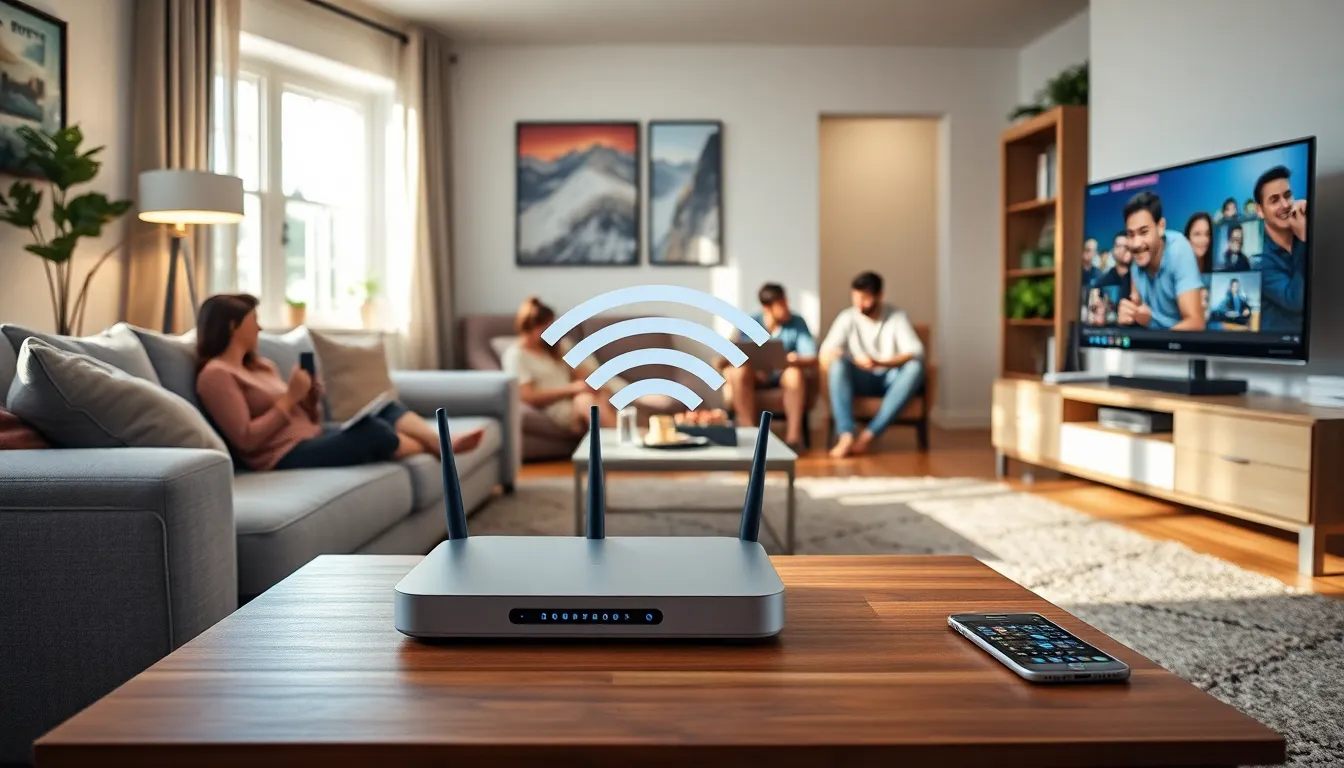
Home networking solutions can be categorized into wired and wireless options. Each type caters to different needs while ensuring reliable connectivity.
Wired Networking Solutions
Wired networking solutions offer stability and high-speed connectivity. Ethernet cables connect devices directly to the router, minimizing interference and latency. These connections perform well for gaming and streaming, where speed matters. Powerline adapters provide another option by transmitting data over existing electrical wiring. In cases of weak Wi-Fi signals, these adapters create a reliable connection in distant rooms. Using network switches expands the network by connecting multiple devices to a single router port. Reliability and speed characterize wired solutions, making them ideal for performance-critical environments.
Wireless Networking Solutions
Wireless networking solutions enhance flexibility and convenience. Wi-Fi routers distribute internet access throughout the home, accommodating multiple devices seamlessly. Mesh Wi-Fi systems improve coverage by using several units to eliminate dead zones. Such systems distribute signals more effectively, especially in larger homes. For minimal data loss, some recent routers utilize dual-band technology to balance network traffic. Homeowners often prefer wireless options for ease of installation and mobility. However, maintaining strong security measures remains crucial to protect data. Wireless solutions adapt well to various lifestyles while ensuring connectivity.
Key Features to Consider
Choosing the right home networking solution involves evaluating several key features. Prioritizing these elements enhances connectivity and overall network performance.
Speed and Performance
Speed significantly impacts the user experience. High-speed connectivity ensures smooth streaming, seamless video calls, and lag-free gaming. Numerous devices in households demand faster internet access. Look for routers that support dual-band or tri-band frequencies to accommodate multiple connections effectively. Wired solutions, such as Ethernet, also provide superior performance compared to wireless options. Gigabit Ethernet connections deliver data transfer rates of up to 1,000 Mbps. Mesh Wi-Fi systems expand coverage and provide consistent speeds across larger areas, eliminating dead zones. Overall, selecting equipment that meets performance needs leads to a more reliable home network experience.
Security Protocols
Security protocols protect sensitive data and prevent unauthorized access. A robust home network includes features like WPA3 encryption, which offers enhanced security compared to previous standards. Implementing firewalls adds an additional layer by filtering incoming and outgoing traffic. Regular firmware updates ensure devices resist emerging security threats. Options such as virtual private networks (VPNs) encrypt internet traffic, enhancing privacy. Parental controls provide the ability to manage device access, ensuring a safer online environment for children. Investing in devices with strong security measures secures the entire network from potential cyber threats.
Popular Home Networking Products
Home networking products enhance connectivity and performance within a household. Two essential types include routers and mesh Wi-Fi systems.
Routers
Routers serve as the core component of any home network. They connect devices to the internet by managing data traffic between them. High-quality routers often support dual-band or tri-band frequencies, improving performance across multiple devices simultaneously. Models like the Netgear Nighthawk and ASUS RT-AX88U offer fast processing speeds and excellent coverage. Many routers also feature built-in security protocols, such as WPA3 encryption, which protect against unauthorized access. For reliability, models can range in price from $50 for basic routers to over $300 for advanced options.
Mesh Wi-Fi Systems
Mesh Wi-Fi systems offer an innovative solution for larger homes with connectivity issues. They consist of multiple nodes that work together to extend Wi-Fi coverage throughout the entire space. These systems eliminate dead zones, making them ideal for homes with thick walls or multiple floors. Popular options include the Google Nest WiFi and Eero Pro, which automatically optimize connections based on user needs. Mesh systems also simplify management through mobile apps, allowing users to monitor network performance and set parental controls easily. Budget considerations vary, with many systems starting around $150 and others exceeding $500 for high-end options.
Benefits of Implementing Home Networking Solutions
Implementing home networking solutions provides significant advantages for users. Increased connectivity enables seamless streaming, gaming, and video calls, addressing common frustrations like buffering and lag. Reliable networks minimize downtime, ensuring consistent access to online resources.
Enhanced security is another vital benefit. Using strong passwords, firewalls, and up-to-date firmware protects against unauthorized access. Incorporating VPNs further safeguards personal information, especially on shared networks.
Cost-effective solutions cater to various budgets. Basic routers start around $50, while advanced mesh systems exceed $300, allowing users to choose according to their needs. Investing in quality networking equipment ensures reliability and longevity.
Flexibility and convenience further enhance user experiences. Wireless solutions like mesh networks cover larger areas, eliminating dead zones throughout the home. Wired options, such as Ethernet cables, provide high-speed connectivity ideal for performance-critical applications.
Customization options exist to meet specific requirements. Parental control features manage device access, ensuring a safer online environment for children. Dual-band or tri-band routers handle multiple connections, offering improved performance in households with several devices.
High-speed internet access becomes more achievable with optimal network setups. Wi-Fi technology advancements, such as WPA3 encryption, strengthen security while maintaining fast connections. Powerline adapters offer alternative solutions in homes with connectivity challenges, utilizing existing electrical wiring.
Overall, implementing effective home networking solutions enhances connectivity, security, and convenience across various applications. By prioritizing suitable equipment, individuals create a dependable digital environment that caters to their unique needs.
Reliable home networking solutions are essential for navigating today’s digital landscape. With the right equipment and configurations, users can enjoy seamless streaming video calls and gaming experiences without interruptions.
Whether opting for wired or wireless solutions each offers unique benefits tailored to individual needs. Prioritizing features like speed security and coverage can significantly enhance the overall network experience.
Investing in quality routers or mesh systems ensures robust connectivity while incorporating security measures protects sensitive data. Ultimately a well-planned home network not only meets current demands but also adapts to future technological advancements.

